giovedì 10 aprile 2014

L'immagine

4th CC speech
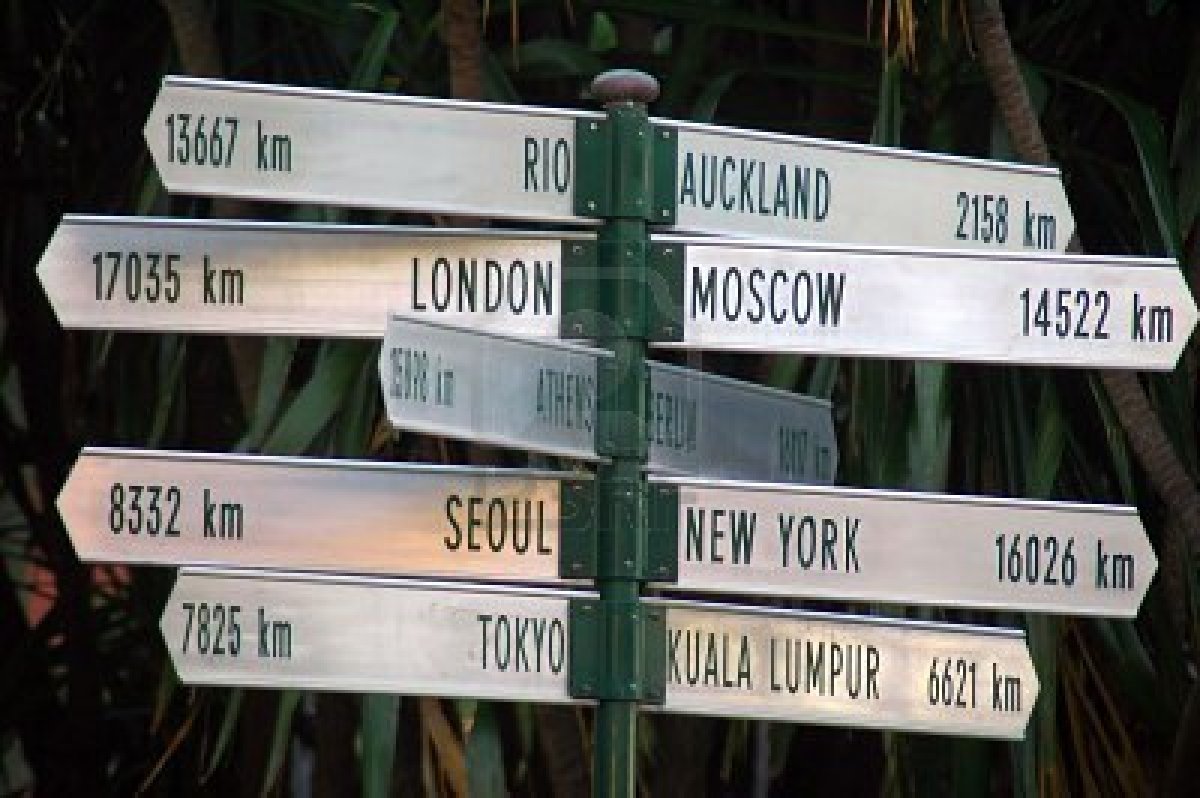
Quando inizi a viaggiare ti rendi conto del valore dei luoghi, delle persone, della realtà e dei miti creati intorno ad essi.
Nel secolo precedente l’uomo ha sviluppato il “mondo mediatico”, dove il contatto umano con la realtà in cui vive e stato pian piano sostituito con le immagini visive o uditive. Mass-media.
Invece di esplorare, conoscere o agire, l’uomo è tenuto a distanza della realtà che esiste dietro all’apparenza del benessere. Più che di accorgimenti o intuizioni, viviamo di automatismi di vari tipi che ci vengono inculcati in un mondo urbano che regge solo grazie all’illusione. E, in quest’illusione è caduto il nostro corpo. Tutta la pubblicità che abbiamo intorno ci “insegna” come dobbiamo apparire, vestirci, dimagrire, essere.
Una tra le mille cose che gli inserzionisti fanno è che ci circondano con l’immagine ideale di bellezza femminile.
Le donne imparano fin da un’età molto precoce che …dobbiamo spendere enormi quantità di tempo, energia, denaro, per ottenere questo look di bellezza ideale.
E quando “falliamo” la prima sensazione è quella di vergogna, di colpa perché abbiamo attorno le montagne pubblicitarie sul come dev’essere il nostro corpo.
Il fallimento è inevitabile: l’ideale è basato sulla perfezione assoluta (absolute flawlessness). La donna non deve avere linee o rughe, o macchie. Cicatrici.. non dobbiamo avere pori?
L’apparato uditivo non meno di quello visivo vengono di continuo bombardati di messaggi, slogan, immagini e notizie. “Photoshopando” la realtà, modifichiamo noi stessi, producendo valori e miti.
Come reagiscono le donne a questo mito della bellezza??
All’entrata di una palestra si poteva vedere un cartello con la foto di una ragazza dal fisico spettacolare con su scritto: “Quest’estate, preferite essere una sirena o una balena?”
Nella “realtà immediata” (non mediata) i cetologi, che sono ricercatori e professionisti che studiano il comportamento delle balene e dei delfini dicono che le balene:
* sono sempre circondate di amici-delfini, foche, uomini curiosi
* conducono una vita sessuale molto attiva
* accudiscono i  propri piccoli con affetto.
* Si divertono come matte con i delfini e mangiano gamberi fino a strafogarsi.
* Nuotano tutto il giorno e viaggiano verso i luoghi fantastici come la Patagonia, il mare Barens o le barriere coralline della Polinesia.
* Cantano magnificamente e in alcuni casi incidono dei CD.
* Sono animali impressionanti e molto amati, difesi e ammirati in tutto il mondo.
Le sirene, dicono i cetologi, non esistono.
Ma se esistessero,
* farebbero la fila nello studio di un psicologo, in seguito ad un problema di sdoppiamento della personalità: donna o pesce?
* Non avrebbero alcuna vita sessuale nè potrebbero avere figli.
* Ma cosa sappiamo noi delle sirene? Niente. Non c’è nessuna ricerca fattibile su questi “animali”.


Abbiamo Ariel, 
la sirenetta felice in un fiction Disney. 

   Le bambine imparano da piccole ad essere le belle sirenette.


Da bravi genitori che realtà diamo ai nostri figli?
 “Mediata o immediata”? Come insegniamo a loro a verificare la realtà nella quale viviamo?


(call to action_invitation): la conferenza tenuta al Politecnico:

IL CORPO DELLE DONNE: Come guardare i media in modo consapevole

mercoledì 2 aprile 2014

Treccani ci ricorda la STORIA

In Italia si parla tanto dell’immigrazione come di una malattia.
http://www.meltingpot.org/Media-e-immigrazione-tra-stereotipi-e-pregiudizi.html#.UzweR_l_vnI

Però ho trovato il dizionario Treccani www.treccani.it che ha tante cose da ricordare ed insegnare a tutti noi.

***
di Enrico Pugliese*
Si afferma solitamente che l’Italia, tradizionale paese di emigrazione, sia ora diventata paese di immigrazione. L’affermazione, all'apparenza ovvia, contiene un grave elemento di confusione, che consiste nell’assenza di un avverbio: di un “anche”. L’Italia infatti è divenuta negli ultimi decenni un paese di immigrazione, anzi un importante paese di immigrazione, mentre ha continuato a essere un paese di emigrazione, un importante paese di emigrazione. L’emigrazione italiana non è solo un fenomeno che riguarda la storia del paese bensì un fenomeno che riguarda, e in maniera significativa, anche la realtà attuale del paese stesso. E ciò non solo perché ci sono all’estero ancora consistenti comunità di italiani i quali si identificano come emigrati, ma esistono tuttora importanti flussi migratori tra l’Italia e altri paesi, soprattutto europei. Insomma l’Italia è un crocevia migratorio dove lavoratori stranieri affluiscono e sempre più consolidano la loro presenza con i ricongiungimenti familiari mentre cittadini italiani, frequentemente giovani, lasciano l’Italia verso altri paesi soprattutto europei.
L'emigrazione non fu un fenomeno esclusivamente italiano ma di tutto il mondo. Tra gli altri popoli che lasciarono in massa la loro terra vi furono gli irlandesi,[1] i tedeschi e gli ebrei d'Europa.
Il Paese che in rapporto ebbe più emigranti in quel periodo fu appunto l'Irlanda, dove la carestia e il malgoverno britannico furono la principale causa d'espatrio.
Nel 1800 il fenomeno dell'emigrazione dall'Irlanda agli Stati Uniti d'America, fu causato dalle persecuzioni religiose avvenute in Irlanda e dagli ormai eccessivi costi della vita in questo paese; la popolazione degli Stati Uniti, infatti, in dieci anni dall'inizio di questo fenomeno, raddoppiò. Una volta arrivati nei porti della East Coast dell'America, la maggior parte degli emigranti parlava difficilmente l'inglese, perciò per guadagnarsi il denaro per vivere, dovevano svolgere lavori pesanti, come la costruzione delle ferrovie; chi non trovava lavoro, spesso, entrava a far parte di bande di strada, dedite al vandalismo ed atti simili. Quasi tutti vivevano nel ghetto irlandese della città, dove vi era scarsa speranza di vita: essa non superava i 40 anni.

***
di Amoreno Martellini
L’esperienza dell’Italia come paese di emigrazione si concentra in un arco temporale di circa cento anni, compreso tra gli anni Settanta dell’Ottocento e gli anni Settanta del Novecento. Un secolo nel corso del quale uscirono dai confini del nostro paese oltre venti milioni di cittadini. Si può dire che non c’è stata famiglia italiana che non sia stata toccata da questo fenomeno e che esso sia divenuto tanto pervasivo e capillare che, per le lacerazioni e gli sconvolgimenti che provocò nel tessuto sociale e nella struttura familiare, fu secondo soltanto al dramma delle guerre mondiali.
La ripartizione cronologica ormai classica di questo secolo di emigrazione vuole che esso sia aperto da una fase preliminare, detta «ligure» (perché da quella regione si sviluppò un primo modello di espatrio omogeneo), che ebbe la funzione di apripista per la fase di massa che si aprì subito dopo. A partire dagli anni Novanta dell’Ottocento i volumi degli espatri dal nostro paese iniziarono a crescere in modo cospicuo e repentino, per raggiungere i picchi più alti nei primi anni del Novecento (tra il 1905 e il 1907) e negli anni immediatamente a ridosso della grande guerra (1912 e 1913).

venerdì 21 marzo 2014

Debunk a myth

3rd CC speech
Objectives:
Organize the speech in a manner that best achieves those purposes.
Ensure the beginning, body, and conclusion reinforce the purpose.
Project sincerity and conviction and control any nervousness you may feel.
Strive not to use notes.
I saw in January an animated film that won the Oscar on 2nd of March for Best Animated Feature. Some critics said that it's the most successful Disney movie of all times due to its topic which emphasizes that ... Falling in love is NOT love.
This may sound interesting to you ^_^

In the Frozen animation, it shows explicitly that love means, among other things:
- To put the other's needs before your needs;
- To sacrifice for the loved person.

Generally the love starts with the falling in love process.
  • What does falling in love mean?
A cocktail of powerful emotions and a mix of hormones that attract you to an unique experience that each of you, everyone should taste at least once in life.
It’s really cool to be in love. The problem is that people confuse between infatuation and love.
The foolest thing people do is to make decisions with long-lasting effect on their lives based on this cocktail of emotions and hormones of the falling in love process that begins to consume with the time.
Relatively quickly. Around 12-24 months. And naturaly is coming to happen to fall in love with someone else. This is how it works in the entire nature, in many species.
Although in the majority species of mammals, there is the meeting of male with the female, they do the mating dance, make a nest, procreate, take care for their babies until grow and IT’S DONE. Each of them after has his own business until the cycle is repeated, usually with different partners.
Guess what?
Human being is built anatomical, biological, hormonal, emotional, just like the rest of the mammals..
So, it’s naturally correct that after a period you were in love with a person, the fall in love fade, and more, it is normal to fall in love with a new person.
  • But where is the human dilemma?
The dilemma is that based on these beautiful emotions, strong and transient, people swear to die, to be faithful just for the relationship they are in and that they will be honest and will feel anything, never, for another one than for their partner...
All this is coming from lack of knowledge and proper education, not from unwillingness, that will be revealed relatively quickly, in a few years when one or both partners will cheat, or at divorce. If this situation is hidden well, it may take many years, but the paid price of it is huge:
Depression, unhappiness, disconfort, all due to the fact that the individual is not honest with himself and behaves as he thinks might be looking good socialy, denying his true nature.

The dissimilarity between falling in love and love, is that Love is our salvation.
Love is never reserved to a single person.
A human being with a heart full of love, sees everything that is beautiful around, is optimistic and shares it full-hearted.
The human being who loves, loves nature and animals, and life, and parents and neighbour...
The beauty of love is that in love cannot exist distress.
Pain in love is only the suffering because of the emotions caused by infatuation. Jealousy does not exist in love, but only when we fall in love. As possessivenes.
We need the fall in love feeling. We need sexuality and couple relationships.
But in the same time we need to recognize that there are two very different feelings. Love is like oxygen, falling in love like water. But when it's too much water it's flooding and we can't breath.

“We have this idea that love is supposed to last forever. But love isn't like that. It's a free-flowing energy that comes and goes when it pleases. Sometimes, it stays for life; other times it stays for a second, a day, a month or a year. So don't fear love when it comes simply because it makes you vulnerable. But don't be surprised when it leaves either. Just be glad you had the opportunity to experience it.”― says Neil Strauss, a pick-up artist, in his book "The Game".

So, live love and falling in love unfrightened, without taking long-term decisions based on what you feel now. The emotions change in time. After the honeymoon follows the everyday reality and the stomach butterflies will leave.
Enjoy to the maximum when you fall in love and do all the craziest things that comes to your head less than two:
*do not marry after one week you met the "love of your life", and
*do not produce offspring
Marriage & children does not solve none of the problems of your relationship when your crush ends, but only bring additional suffering.
- Love wholeheartedly. Marry & have children, but after at least two years living with partner. Marriage and children are decisions with long term effect on your life and you’re not allowed to do it based on fleeting emotions.

What can I recommend to you now are the following two things:
* Go and see the Frozen animation :)
* Read "The Game" and go out into the field to discover yourself, and to love.

I wish you much love,
Lumi :)
http://youtu.be/ka-_7H7TK5I

venerdì 7 marzo 2014

Cartea mea de căpătâi (preparing TMs' 3rd project)

Toastmasters teaches me that every speech of mine must have an objective that is based on a general purpose: to inform, to persuade, to entertain, to inspire,
and a specific purpose: what I want the audience to do after listening to my speech. 
And here I am at the preparation of the "Get to the Point" project, the 3rd out of 10. 
Manualul CC este cartea mea de căpătâi. I want the Competent Communicator Award :) 

I adopted the practice of determining my puprose before writing anything else, and this helps me to write down clear ideas and after to say them in an easier way that I thought. 
So, I decided to debunk a myth.  
This time I'll discuss an issue that's important to me and has influenced me somehow. Love.
And I'm reading something very different from what I've read before about this feeling: "The Game" by Neil Strauss. 
And in this book I found this: 
We have this idea that love is supposed to last forever. But love isn't like that. It's a free-flowing energy that comes and goes when it pleases. Sometimes, it stays for life; other times it stays for a second, a day, a month or a year. So don't fear love when it comes simply because it makes you vulnerable. But don't be surprised when it leaves either. Just be glad you had the opportunity to experience it.
Can I get to the point in a single simple sentence about this topic that is too broad? Yes, I can! My time is limited, I have 5min and 45 seconds (stay away from the yellow plackard).. it's veeeeery chalenging. 
The choice is one: to do it! 

Meanwhile I'm preparing my speeches and the country position inside of the FAO delegation where I represent Luxembourg 
for the RomeMUN project that will be held in Rome from 13th to 17th of March. 


mercoledì 12 febbraio 2014

Tradurre l'identità [1]

Quasi un'anno di ricerca sull'identità sul lavoro del traduttore e quello dell'interprete, due attività teoricamente così simili, siano in fondo profondamente differenti. Ma essi resteranno, in un certo qual senso, degli artisti.

Nei grandi trattati o nei manuali di linguistica non c'è riga né capitolo che faccia cenno alla traduzione come operazione linguistica; ed i grandi trattati di filosofia, che pure si occupano tutti dei rapporti tra linguaggio e pensiero, mostrano di ignorare completamente che la traduzione (che è il passaggio da una lingua all'altra) di un pensiero strutturato potrebbe costruire quasi la base sperimentale di studi sui rapporti, appunto, tra pensiero e linguaggio.
La traduzione, dopo essere rimasta a lungo una sorta di occupazione secondaria, è oggi diventata un fenomeno di massa (una vera e propria attività industriale?), in una civiltà dove superare il muro linguistico è più difficile che non superare il muro delle distanze.
Sant'Agostino diceva: "Solo la parola ci fa essere uomini e ci permette di essere legati fra noi: così che due uomini di nazione diversa non sono, l'uno per l'altro, uomini" (se conoscono solo la loro lingua).

Ma cosa significa tradurre? La storia delle parole con cui viene designato questo lavoro, e colui che l'eseguiva, sarebbe lunga e dovrebbe occuparsi delle civiltà quanto e più che delle parole. Il francese traducteur è una parola giovane, che risale sicuramente a Etienne Dolet (1509-46). E in tale autore essa è un italianismo, ch'ebbe successo immediato: come si può constatare dalla Deffence et llustration de la langue française di Joachim Du Bellay, che già nel 1549 dedica tre capitoli dell'opera al traducteur e alla traduction.


sabato 1 febbraio 2014

Ricorda te stesso/a, sempre ed ovunque!

intro:
 (C.A.A.): Il ricordo di se nella cultura moderna ed in particolare in quella occidentale, inspiegabilmente non è preso in considerazione. Mi sono domandata il perché una chiave di così grande importanza per l’Evoluzione interiore dell’uomo come il ricordo di se sia andata smarrita.
(L.S.T): L'uomo si osserva durante tutta la vita ma non conosce cosa significhi e cosa vuol dire osservare se stessi perché la vera osservazione si basa sui fatti. Non è sufficiente ammettere l'assenza di consapevolezza e del ricordo di sé, perché lo si deve realizzare nei fatti verificandolo con l'osservazione personale.

body:
 (M.P.): Per conoscere la nostra condizione dobbiamo avviare uno studio serio sulla conoscenza di se stessi, aver raggiunto un certo grado di apertura mentale ed avere il coraggio e la forza per evadere dalla prigione dei nostri rigidi schemi mentali.
Venire a conoscenza della propria condizione è sgradevole; si preferisce parlare degli affari altrui, inoltre si è disturbati e contrariati di chi non la “pensa” come noi e non ha le nostre stesse tendenze, inclinazioni, “fede” o la stessa squadra di calcio, a tal punto da farci perdere anche quel poco di buon senso che ci permetteva di riconoscere che “non si raccolgono uva dalle spini o fichi dai rovi”.
L’uomo, per educarsi ed educare, deve conoscere la “macchina uomo” nelle sue parti e sapere come queste interagiscono.
(Cuore, Mente, Forza)
Ogni uomo nasce con 3(tre) centri di espressione:
-il centro motorio
-il centro emozionale ed
-il centro intellettuale.
La condizione di equilibrio, di benessere e di salute dell’uomo dipende da un lavoro equilibrato dei centri.
*Quando il centro emozionale lavora per il centro intellettuale, porta nervosismo ed ansia inutili.
*Il centro intellettuale, quando lavora al posto del centro emozionale, delibera su cose che richiedono tempestività ed immediatezza, impedendo una giusta visione del problema.
*Il centro intellettuale ci fa credere di possedere informazioni che invece possono arrivare solo dai centri interessati perché queste siano “comprese”... come ad esempio: l’affermare con stomaco sazio che “si comprende la fame”.
*Quando il centro motorio lavora per il centro intellettuale, la funzione viene ridotta al completo automatismo.
*La tendenza dei centri emozionale e motorio a mantenere vive od a riprodurre esperienze piacevoli o spiacevoli, vissute od immaginarie va ad influenzare il lavoro del centro intellettuale e da cui si hanno delle preoccupazioni causate dall'immaginazione di futuri eventi spiacevoli o di futuri sviluppi di fatti della vita, che non avverranno mai.
fine L’equilibrio fra i centri avviene attraverso un lavoro di osservazione. E’ necessario accorgersi dell’assurdità di preoccupazioni spiacevoli, osservare la propria attività immaginativa, le associazioni pensieri-movimenti, pensieri-emozioni, pensieri-azioni. Lavoriamoci con noi stessi, contro l'espressione di emozioni negative, contro le tensioni inutili, evitando, così, un enorme spreco di energia. Per una comprensione maggiore della questione sul ricordo di se, la miglior cosa è verificare personalmente.
Verifica come camini, come muovi le mani, come stai seduto, come stai in piedi.
         Divengo quello che vedo in me stesso/a.

lunedì 27 gennaio 2014

StrESSIONE di gennaio

There is a solitude of space
A solitude of sea
A solitude of Death, but these
Society shall be
Compared with that profounder site
That polar privacy
A soul admitted to itself -
Finite Infinity

Emily Dickinson (non databile)

Ha una sua solitudine lo spazio
Solitudine il mare
E solitudine la Morte - eppure
Tutte queste sono folla
In confronto a quel punto più profondo,
Segretezza polare,
Che è un'anima al cospetto di se stessa -
Infinità infinita.

 ...sto come un topolino in biblioteca...adoro l'odore dei libri!

sabato 18 gennaio 2014

preparing the 2nd speech

Good speech organization is esential if my audience is to follow and understand my presentation. I took the time and put my ideas in an orderly manner. I organized my speech and choosed the outline that best suits my topic. In 5 minutes I'm practicing to deliver my speech, so I know it well enough that I can glance up from my notes and look at my audience as I speak.

 The opening should catch the audience's attention,

 the body must to support the idea I want to convey, and
 the conclusion should reinforce my ideas and be memorable.
Transitions between thoughts should be smooth.

         My speech is not a mystery story. 

         The topic this time is based on the essential principles of the Gurdjieff Teaching:
human beings have three primary centers or functions - mental, emotional and physical (thinking, feeling and sensory/moving). What needs to be added to this basic knowledge is that each of the centers can be experienced in association with a specific region of the physical body.
I will position my visual aids so that I never turn my back to my audience.
The physical or sensing/moving center can be experienced as being centered in the navel region.
The emotional or feeling center can be experienced as being centered in the solar plexus region.
The thinking or knowing center can be experienced as being centered in the head.

It must be remembered that these three centers are centered in these three locations, but that the functions themselves are spread throughout and around the physical form.


giovedì 16 gennaio 2014

The BIG SISTER (Italian version)

Ho preparato il mio I° speech alla fine dell'anno quando tracciamo le linee e ci facciamo delle domande fondamentali per la nostra evoluzione: "Da dove vengo? Dove vado? Come mi definisco ora?"... Cresciuta tra i maschi con 11 cugini, 2 fratelli, 1 padre. Eravamo un plotone dove avevo imparato a fare "il maresciallo". E tutto questo è stato un processo che ha influito sullo sviluppo, sulla visione del mondo, sul temperamento, sulla ricerca che faccio ora. Avevo 3 anni quando papà mi regalò una macchinina a pedali, color celeste... modello sovietico,
per i bambini di quei tempi... me la ricordo ancora. A 4 nasceva il mio I° fratellino, a 6 il mio II° fratellino... sono stati dei anni quando ho iniziato a sentire il legame di fratellanza e di responsabilità di BIG SISTER. Con loro che ho imparato a fare squadra, osservare, costruire, giocare avendo dei ruoli ben specifici, fare teatro, piantare un albero... da quando ero piccina così. Non nell'altezza sta la forza (heheh!); loro sono tutti + alti di me. Avendo un giardino grande davanti alla casa, mi ero abituata a stare nella natura, a piantare fiori ma anche cipolle e patate, a raccogliere frutta e verdura. Il legame con la natura fa parte della sana educazione alimentare che porto con me; il rispetto per la terra e per il cibo mi è stato coltivato con cura e amore in Moldova, dove sono nata. - Un paese semplice anche se piccolo quanto Emilia Romagna, con una cultura popolare e un folklore vivace, che amo molto. Non si possono cancellare le proprie radici, non è sanno per il cuore e neanche per la mente. Un giorno papà portò a casa una bici "Aist", http://aist-bike.com/ che vuol dire LA CICOGNA in italiano, in russo è al maschile, anche la bici era da uomo; però lui ci disse: "Tutto quello che è e può fare un uomo lo può essere e fare una donna. La scelta è tua!" (pausa) "Ma non avevo scelto io la bici". Sorrise. Oggi guido una bici da uomo, una KTM comprata su ebay, quando mi ero trasferita in Torino mi serviva per andare ai corsi all'università ma anche perché seguo la regola 6 del decalogo della mia Vita... della quale, cari Toastmasters, vi parlerò la prossima volta, che è: "Ricorda te stessa, sempre ed ovunque".

giovedì 2 gennaio 2014

preparing the 1st speech

...after two weeks I'll introduce myself to my fellow club TM members and I'll give them some info about my background, interests and ambitions. Meanwhile the Horse year, 2014 is arrived int he town :D and I have great expectations from me. I'm practicing diction (singing:) helped by my mum, striving to make eye contact with some of imaginary audience in my room :))) I try to memorize my speech, even if I don't know how to name it :/ it's written by me..and, in 4 minutes I want to deliver a very good posture and the "stage skills" I have. Mum, thx for your support.

giovedì 21 novembre 2013

TOASTMASTERS - or how to make alive your public speech

Most schools or universities don't offer this type of training. Toastmasters does. Embarked on a journey that is greatly improving my Life. How? Listen more... evaluate others' ideas and of course formulate, express, sell my ideas and myself with poise and confidence. I became a person that more comfortable communicate by electronic mail or telephone than in person. But I never was afraid or intimidated of speaking to large or small groups, or one-to-one; that's why I felt this need - to return to myself, Creating my path through my Thoughts that are Speaking. I let Them speak! So, I started with the CC manual :) and I'm already preparing my 2nd speech out of 10 projects, each designed to develop your speeking skills one step a time. Every project builds upon what you've learned in the preceding project, so you should present the speeches in numerical order. I will begin with the "Ice Breaker" speech. Since it will be my first speech before the TM club, it will be based on a easy subject- Myself. And in the subsequent spechees I'll learn the importance of organization, speech purpose, proper word usage, body language, and vocal variety. I'll also learn how to do research, use visual aids, speak persuasively, and inspire others that is my aim in the TM club. Most of my talks are only 5 to 7 minutes long. This gives me enought time to develop my topic while still keeping club meetings to a reasonable length. I'm speaking with confidence, clarity, persuasiveness, and enthusiasm. There is also an evaluator that gives me verbal and written feedback on every speech I present. The evaluator provides a personal opinion of my talk, pointing out its strenghts and offering suggestions from improving my next speech. Evaluation have one purpose: to help me become a more effective speaker. Eventually, as I gain more experience, I'll evaluate the others' spechees. Excited I started my TM experience. I feel I learn more than just commnication skills in my club. Thank you, Gon for sharing with Me This Experience. http://www.youtube.com/watch?v=A3ym8R6XGo4

lunedì 3 ottobre 2011

Ritorno


Non giudicare chi non conosci, sentiti straniero ovunque, e prova compassione per tutti: i nostri viaggi a piedi si susseguono stagione dopo stagione, ma rimane questa morale più alta che si trae dal camminare con uno zaino in spalla, nel Levante come in Italia.

Quando si viaggia si accetta la possibilità di perdersi, così come quando ci si innamora o si ha una passione che ti prende così tanto da farti perdere l'orientamento. In un modo o in un altro alla fine ritrovi la strada di casa: diversa, più grande, con una borsa carica anche di tutto quello che hai visto e che non conoscevi prima.

Cantare, scriverecanzoni e senza alcun dubbio l'apoteosi dello sfogo, è quel trattino che manca x finire un cerchio perfetto.
VIAGGIARE è LO SteSSo :)

lunedì 30 maggio 2011

Life is a game. Work hard: play hard!


TEAM =
TOGETER EVERYONE
ACCOMPLISEES MORE
Ability is what you’re capable of doing.
Motivation determines what you do. Attitude determines how well you do it.
—Lou Holtz
Members :
Marta
Eunice
Ginevra
Giulia
FeiFei
Ronel
Eneida

May I Present . . . ?
Group Size
10 participants works best
Materials
Flip chart or whiteboard, blank sheets of paper, markers, adhesive tape
Time
20 to 25 minutes
Procedure
Have participants pair up. Provide each pair with blank sheets of paper and markers. Write these instructions on a flip chart or whiteboard so everyone can see them:
On the first sheet of paper, write your partner’s name and draw a picture of your partner. On the second sheet of paper, create a fact sheet by writing down your partner’s answers to the following questions:
• What do you like about your job?
• What are the skills you admire in others?
• What would we be surprised to know about you?
Have each team member introduce his or her partner by presenting the drawing and the answers to the three questions. After the presentations, tape all the drawings and fact sheets to the walls for the duration of the program.


You can’t shake hands with a clenched fist.
—Mahatma Gandhi

Shake It Up
Group Size
Any
Materials
None
Time
15 to 20 minutes
Procedure
Have participants pair up. Each pair is required to come up with a handshake.
The handshake has to have three moves and a sound effect or phrase.
Give them a few minutes to develop and practice their handshake.
Have each pair team up with another pair. Have them put their handshakes
together to form a six-part handshake with two sound effects. Give
the new foursomes time to practice.
Have each foursome join with another foursome to put their handshakes
together for a twelve-part, four-sound-effect handshake. Time permitting,
have each team of eight present their handshakes to the whole group.
Variations
You can stop this at four or continue with the eight-person version (more
challenging). There are many ways to adapt this one, depending on the
number of people you have in your team.
Discussion Questions
1. How did you learn the twelve-part handshake without becoming overwhelmed?
2. What aspect about this process was easy? Challenging?
3. In what ways does this relate to sharing information and learning from each
other at work?


Worst Team Everever!
Group Size
Any
Materials
Flip-chart paper, markers
Time
20 to 30 minutes
Procedure
Split the team members into groups of five to seven. Give each group flipchart
paper and markers. The groups then have 20 minutes to create a
poster depicting the worst team ever, including the qualities and characteristics
of the worst team and an illustration. After 20 minutes, have the
groups present their work.
Tips
You may have to monitor this so it does not turn into a gripe session. It is
meant to be done in fun and have a positive outcome.
Discussion Questions
1. Have we all experienced or displayed some of these qualities? Why? What
can we do about it?
2. In your discussion of the worst team ever, did you come up with some qualities
of the best team ever? What were those?
3. How can this activity help us become the best team ever?
4. What is our individual responsibility in creating the best team ever?
It is a luxury to be understood.
—Ralph Waldo Emerson


Draw
Group Size
This activity works best for up to 12 participants.
For a large group, split into smaller teams.
Materials
Copies of the drawing handout (provided),
additional sheets of paper, pens
Time
10 to 20 minutes
Procedure
Have all the participants stand one behind the other in a single line. Briefly
show the original drawing to the last person in line. With her finger, she
“draws” the picture on the back of the person in front of her, who then
draws on the back of the person in front of him or her, and so on down the
line to the first person. When the first person in the line finally gets the
“message,” he or she draws it on a sheet of paper.
Compare all the final drawings with the original to see how many different
messages were received.
Discussion Questions
1. When does communication start to break down?
2. What are some reasons for our communication breakdown?
3. What can we do to make sure our message is understood?
4. What did you learn about communication that you can take back to the
workplace?


Oh
Group Size
Any
Materials
Sheet of paper and pen
Time
10 to 20 minutes
Procedure
This is a fast and fun way to demonstrate the power of tone in our verbal
communication.
As the facilitator, write the word “Oh” on a sheet of paper so everyone on
the team can see it. Ask them to say the word, and lead them in saying the
word aloud. Now tell them the following:
The simple word “Oh” says very little as you see it written here. However,
when we say the word “Oh,” it can have many different meanings
according to how it is spoken. I am going to read you some different
intentions, and after I read each one, please convey that intention by
saying the word “Oh” in the appropriate tone of voice.
Then read each of the following intentions, and wait for the team to verbally
demonstrate the tone. You may want to say it with them for the first
one to get them started.
• You surprised me!
• I made a mistake.
• You’re a pain in the neck.
• You make me so happy.
• I’m bored.
• I’m fascinated.
• I understand.
• I don’t understand.
Variations
Use the word “Dude,” or run through the list twice using both words.
Discussion Questions
1. How can one word mean so many different things?
2. What can this simple activity teach us about the power of tone?
3. What is a good takeaway from this activity?


What’s Your Story?

Group Size
Any
Materials
None
Time
10 minutes
Procedure
Have everyone find a partner. Tell each pair to decide which of them will
be the first storyteller. The storyteller has two minutes to tell the partner
a story. Story topics could include a recent vacation, a funny situation, an
interesting experience, or a hobby. The listening partner’s job is simply to
listen. After two minutes, have them switch roles.
The next step is for everyone to find new partners. This time, the story
they just heard has now become “their story.” They have two minutes each
to convey that story to their new partner as if it happened to them.
Discussion Questions
1. How well did you listen?
2. If the original person had been sitting next to you, how well would that person
think you captured his or her story?
3. What does it take to be an effective listener?


Back to Back
• To improve verbal communication skills
Group Size
Any
Materials
Paper, pens, Sample Drawing Templates
(provided), clipboard (optional)
Time
15 minutes
Procedure
Have the participants pair up and sit back to back. One person—the artist—
gets the clipboard and pen; the other—the director—gets a template of
a picture. The director’s goal is to get the artist to draw an exact duplicate
of the picture by using only verbal directions. (Sample templates are provided
with this game.)
The first time through the exercise, the director describes to the artist
what to draw, but the artist is not allowed to speak to the director. For the
second round, have the partners switch roles, and hand out the second
template. This time, for the first five minutes only allow the artist to ask
yes-or-no questions. After the five minutes are up, allow the artist to ask
any questions he or she would like.
When the partners are done with both rounds, they can compare
drawings.
Discussion Questions
1. What was it like to give directions without getting any feedback?
2. Once you could ask questions, did that make the job easier? Why?
3. What kind of questions were the most effective?
4. What types of situations resemble this activity?
5. What can we do to improve our communication with each other?


The Rest of the Story
Group Size
Any
Materials
None
Time
5 to 10 minutes
Procedure
Have the team form smaller groups of four or five. Each person explains
the significance of something he or she is wearing or has on his or her person
(maybe in a wallet or pocket).
Start the team off in the right direction by using yourself as an example,
saying something like:
The necklace I am wearing was made by my niece when she was eight
years old. We spent the day together making pendants by wrapping silver
wire around polished rocks. For me, it’s a great memory of a fun day with
my niece.
Tips
Even if some team members may not be wearing any accessories (watches,
rings, etc.), they can tell the story behind the shirt or shoes they have on.

Discussion Questions
1. How did it feel to divulge personal information?
2. What impact does this have on your level of trust and comfort with your
team?
3. What are some other ways to build a comfort zone within our teams?
4. What are some ways we can build the level of trust within our team?


Catch and Release
Group Size
Any
Materials
One bouncy ball or tennis ball for each team member
Time
10 minutes
Procedure
Split any large groups into smaller teams of six or seven, and have them
form a circle. Each person gets a ball.
The rule is that as soon as anyone catches a ball thrown to him or her by a team member, that person must immediately toss it to someone else on the team (all balls must be tossed, not handed). No one should ever be holding a ball—everyone is either tossing, catching, or both—while the game is being played. If a ball is dropped, simply pick it up and return it to play.
Ask a volunteer from each team to count how many balls get dropped during the activity. They have one minute on the clock after you say, “Go!”
Ask each team how many balls were dropped. You can score the teams individually or add the totals together for a group score.
Now let them know they will have a chance to improve their score. For the second round, the same rules apply, except that the team members will have some planning time. Give them about a minute or two. When it seems like all the teams are ready, give them another minute—then say, “Go!”

Discussion Questions
1. Why the big difference (there usually is a difference) between the two rounds?
2. What strategies were effective?
3. Do we always take the time to plan? Why or why not?
4. Why is it important to take time to plan, even when things are crazy or moving quickly?
Ask each team how many balls were dropped during this round.

mercoledì 18 maggio 2011

Striving to be a little bit better today than yesterday

My attention is focused to obtain personal development.


TO HAVE MORE THAN YOU'VE GOT, BECOME MORE THAN YOU ARE.

UNLESS YOU CHANGE HOW YOU ARE, YOU'LL ALWAYS HAVE WHAT YOU'VE GOT.

mercoledì 18 agosto 2010

Get out. Dare to DREAM


Una dintre cele mai mari suferinte ale mele este rutina.

Evident, uneori rutina e necesara insa pe mine ma omoara.

In ultimele luni am petrecut mult timp in casa lucrand si parca am uitat
ca lucrul care pe mine ma energizeaza cel mai mult este natura.

Nevoia de a petrece timp in natura este o nevoie umana de baza la fel
ca mancatul. Iti dai seama de asta doar dupa ce petreci 2 zile in natura fara
acces la calculator si internet.

Din pacate oamenii au uitat de natura. Sunt prea preocupati de problemele zilnice
si de lipsa de timp. Insa viata are un ciclu si daca nu respecti acest ciclu si nu stii
cand e vremea sa iei o pauza si sa iti incarci bateriile in natura, ajungi sa platesti un pret mare.

Eu nu am avut chef de lucru 3 saptamani pentru ca am uitat sa fac cel mai important
lucru pentru mine. Sa ies in natura. Promit sa nu mai fac greseala asta niciodata :)

Probabil ai citit cateva articole ale Oanei Lisetchi. Oana este persoana care iese in fiecare weekend.

Iubeste natura la nebunie si in fiecare saptamana are poze noi din locurile in care a fost.

De aceea, ne-am decis ca ea sa scrie cateva articole in perioada urmatoare despre cum sa iesi
in natura cu bani putini, cum sa cunosti anturaje noi si cum sa iti incarci bateriile pentru
orice munca ai de facut.

Viseaza. Indrazneste.Ambitioneaza-te si schimba placa cu "de maine":


Cu respect,
Pera Novacovici

sabato 14 agosto 2010

Primul pas în descoperirea vocaţiei


Am citit comentariile de pe site-ul personalitate alfa şi-am constatat cu surprindere că mai bine din jumătate din aceste întrebări se referă la cum să descoperi talentele innascute şi cum să le valorifici.

Din punctul meu de vedere, sa iti descoperi pasiune si vocatia in viata este „ glontul magic” ce poate rezolva daca nu toate, atunci majoritatea problemelor cu care oamenii se confrunta.

Am inceput sa lucrez la un material nou pentru ca este o foarte mare provocare pentru mine sa ajut cat mai multa lume sa isi descopere vocatia. Este o provocare pentru ca nu pot sa ajut pe nimeni sa isi descopere vocatia. E o chestiune atat de intima si personala incat eu pot fi maxim un ghid pentru o persoana in propriul ei drum pentru descoperirea vocatiei.

Astăzi vreau să vorbim despre primul pas, despre căutare. Unde şi cum să cauţi talentele tale ascunse, vocaţia ta. Dacă-ţi place acest prim pas am să te rog să laşi un comentariu pe blog şi vom continua şi vom continua în celelalte materiale şi cu ceilalţi paşi. Acest articol este in varianta audio pe blog insa am considerat ca e important sa fie si text.

Primul pas: căutarea.

În primul rând trebuie să ne uităm la ce au făcut oamenii care deja şi-au descoperit vocaţia. Oameni celebrii, oameni de succes, oameni din întreaga istorie a omenirii. Ei bine, greşeala pe care o fac foarte mulţi oameni este că se uită la oamenii cu adevărat de succes şi la succesul lor actual, şi se uită la ei în momentul în care şi-au atins toate scopurile, şi-au descoperit vocaţia şi-au şi valorificat-o.

Şi mulţi oameni spun: eu n-aş putea niciodată să fac lucrul acela. Primul lucru pe care vreau să ţi-l spun este că e foarte important să te uiţi la ce au făcut oamenii aceia când au început, nu la sfârşit când au ajuns la prosperitate şi la glorie. Bill Gates, de exemplu, şi-a început afacerea într-un garaj – asta nu ştie nimeni sau cel puţin foarte mulţi oameni nu ştiu acest lucru. Steve Jobs, fondatorul Apple s-a lăsat de facultate în anul întâi şi mergea o zi pe săptămână, duminica, să mănânce un prânz. Mergea pe jos câţiva kilometri şi era cea mai frumoasă zi din săptămână pentru el. A reuşit în cel mai scurt timp să ridice o afacere care a revolutionat lumea.

Acum vreau să vorbim despre altă problemă. Oamenii au acces la informaţie şi oamenii iau această informaţie şi nu mai pun niciun fel de întrebări.

De exemplu: ţi s-a spus că trebuie să ai o familie, o slujbă şi să nu mai pui întrebări. De ce trebuie să le ai pe toate acestea? Vreau să ne jucăm un mic joc foarte drăguţ şi vreau să te întreb câte simţuri crezi că avem noi oamenii.

Prima oară vreau să te gândeşti la cinci. Cinci simţuri, după care te gândeşti la încă unul, unul ascuns. Intuiţie. Nu prea se ştie multe despre el se aude că femeile ar avea mai multă intuiţie dar nu prea e nimic palpabil. Deci am avea cinci simţuri şi poate un al şaselea.

Te mai las un pic să te gândeşti, poate îţi mai vin în minte anumite simţuri. Şi-acum vreau să-ţi spun că mai există un simţ despre care poate nu ştiai.

Este un simţ ce este un organ din corpun uman şi anume simţul echilibrului. În urechea internă a fiecăruia dintre noi se află simţul echilibrului nostru. Aşadar avem un al şaselea simţ, fizic, palpabil, cu organ corespunzator.

Mai există simţul temperaturii. Nu trebuie să atingem ceva ca să simţim temperatura. Este diferit de simţul tactic.

Apoi simţul durerii, care este şi el diferit de simţul tactil. S-a descoperit că există un sistem nervos pentru durere externă şi unul pentru durere internă. \

Apoi avem simţul vestibular, acesta este simţul care se ocupă de echilibru şi acceleraţie, ne ajută să fugim, să mergem.

Există simţul kinestezic care se referă la membrele noastre, mâinile noastre şi în relaţia cu cei din jur. Ne ajută la mişcare, ne ajută să ne ridicăm dimineaţa din pat şi să ne orientăm.

Aşadar câte simţuri avem? Vezi? E o întrebare banală la care foarte mulţi oameni spun că avem cinci şi poate un al şaselea: intuiţia. Răspunsul e de fapt mult mai complex.

Ceea ce vreau eu să-ţi comunic prin aceste întrebări este că de acum încolo ar fi bine să începi să-ţi pui întrebări. Să nu mai spui: eu ştiu. Eu ştiu este cea mai proastă expresie pentru evoluţia şi succesul tău în viaţă.

Să revin acum un pic la oameni de succes din această lume. Eu observam că de la începutul omenirii şi până astăzi există un singur numitor comun al tuturor oamenilor de pe pământ. Avem o singură misiune pe pământ, toţi!

Şi anume să ne antrenăm abilităţile ca să putem oferi valoare lumii din jur. Am să repet: avem o singură misiune pe pământ, toţi: să ne antrenăm abilităţile ca să putem oferi valoare lumii din jur. Să facem lumea mai bună şi mai frumoasă. Dacă te uiţi la toţi oamenii care şi-au lăsat amprenta asupra acestei lumi vei vedea această caracteristică: de la inventatorul hârtiei, până la inventatorul avionului, până la inventatorul telefonului, vei vedea aceeaşi caracteristică.


Sunt oameni care şi-au descoperit talentele ascunse, le-au dezvoltat în abilităţi şi-au oferit valoare lucrurilor. Aceasta este singura întrebare pe care o să te rog să o ai veşnic în minte.

Cum îţi dezvolţi abilităţile pentru a-ţi putea oferi valoare lumii din jur.

Vreau acum să-ţi spun câteva lucruri pe care le-am aflat despre vocaţie, talente şi cum să le valorifici din cartea lui Sir Ken Robinson. Poate l-ai auzit la Ted Talks vorbind despre creativitate. El are o carte care se numeste The Element şi este plină de poveşti despre oameni care şi-au descoperit vocaţia şi acolo trăiesc. Sunt oameni de succes, de la actori la dansatori, la muzicieni, la oameni de afaceri.

La un moment dat Sir Ken Robinson spune un lucru foarte interesant: ca să-ţi descoperi talentele ascunse şi să le valorifici ai nevoie de două aspecte şi de două condiţii. Şi din nou te rog să-ţi notezi.

Cele două aspecte ale vocaţiei sunt: aptitudinea şi pasiunea.

Cele două condiţii ale vocaţiei sunt: atitudinea şi oportunitatea.

Să vorbim puţin despre fiecare.

Cele două aspecte: aptitudinea şi pasiunea.

Aptitudinea înseamnă că un om când se naşte, are un talent înnăscut pentru ceva anume. Partea interesantă e că aceste aptitudini înnăscute pot fi diversificate sau pot fi pe o singură nişă îngustă. De exemplu: poţi să fii un muzician extraordinar, să cânţi la două-trei instrumente şi să fii un dirijor foarte bun. Asta înseamnă că ai aptitudini înnăscute pentru muzică în general, există astfel de oameni. Sau poţi să fii foarte bun la săritura în lungime. Dintre toate sporturile tu eşti bun la unul singur: la săritura în lungime. Acela este talentul tău înnăscut, şi eşti atât de bun încât poţi să mergi la olimpiadă şi să iei medaliile de aur, să fii cel mai bun din lume la săritura în lungime. Deci nu eşti bun la sport în general ci doar la săritura în lungime. Asta înseamnă că ai o abilitate înnăscută pe o nişă foarte îngurstă. Orice om are aptitudini înnăscute, asta vreau să iti notezi.

Al doilea aspect este pasiunea. Ai auzit probabil la nesfârşit: e foarte important să pui pasiune în ceea ce faci, să ai foarte multă pasiune, să iubeşti ceea ce faci. De aceea aptitudinile tale înnăscute trebuie să le cauţi în hobby-urile tale. Gândeşte-te ce-ţi place să faci cel mai mult dar nu uita întrebarea: cum fac lumea din jur mai bună cu aceste abilităţi. Aşadar, mulţi oameni, când îi întrebi ce-ţi place mai mult să faci spun: îmi place să stau, să mă uit la televizor, să dorm, să mănânc. Lucrurile acestea nu răspund la întrebarea: cum fac lumea mai bună. Aşadar gândeşte-la la acele hobby-uri şi pasiuni ale tale care te-ar putea într-un fel să oferi valoare acestei lumi.

Apoi după aptitudine şi pasiune avem două condiţii pentru descoperirea şi valorificarea vocaţiei.

Şi anume: prima este atitudinea.
Atitudinea înseamnă mentalitatea: optimismul, perseverenţa, curajul. Trebuie să ai o atitudine de războinic în viaţă, în faţa vieţii şi a problemelor ei.

Oportunitatea este a doua condiţie. Oportunitatea este poate cea mai importantă condiţie. De ce? Pentru că s-ar putea să nu-ţi descoperi niciodată talentele ascunse şi să nu poţi să le valorifici niciodată.

Ştiu, e un lucru trist.

Ce înseamnă oportunitatea?

Dacă tu eşti foarte bun la scufundări, poţi să te scufunzi la 100 de metri sub apă, sau la 50 de metri şi poţi să fii un foarte bun căutător de perle, să zicem, poate cel mai bun căutător din lume, ce te faci dacă eşti în deşert? S-ar putea să nu ai oportunitatea niciodată să-ţi descoperi talentul ascuns şi să-l valorifici.

Cunosc un caz: există un copil de 7 ani care este bun la pian, el locuieşte într-un sat la părinţii lui nu-şi permit nici să-i cumpere pian şi nici să-l aducă în oraş să facă lectii de pian. S-ar putea din păcate ca acest copil să nu-şi valorifice niciodată talentul înnăscut pe care-l are pentru muzică.

Aşadar să recapitulăm: există două aspecte pentru descoperirea vocaţiei – aptitudinea şi pasiunea – şi există două condiţii: atitudinea şi oportunitatea. Toate acestea patru trebuie să lucreze împreună ca să ne ajute să descoperim vocaţia şi să o valorificăm.

Vreau să mai vorbim de un singur lucru: Ai vreunul din cele 4 ingrediente necesare pentru vocatia ta? Astept rapsunsul in coment-uri.

Cu respect,

Pera Novacovici